
TMS for Anxiety
in Costa Mesa, CA
BrainHealth Solutions offers TMS for anxiety in Costa Mesa, CA. This non-invasive treatment can help adults whose anxiety has not eased with medication or therapy, especially when anxiety and depression show up together. Board-certified psychiatrist Dr. Robert Bota leads every plan, using focused magnetic pulses on the brain circuits that keep worry running.
What Is TMS for Anxiety?
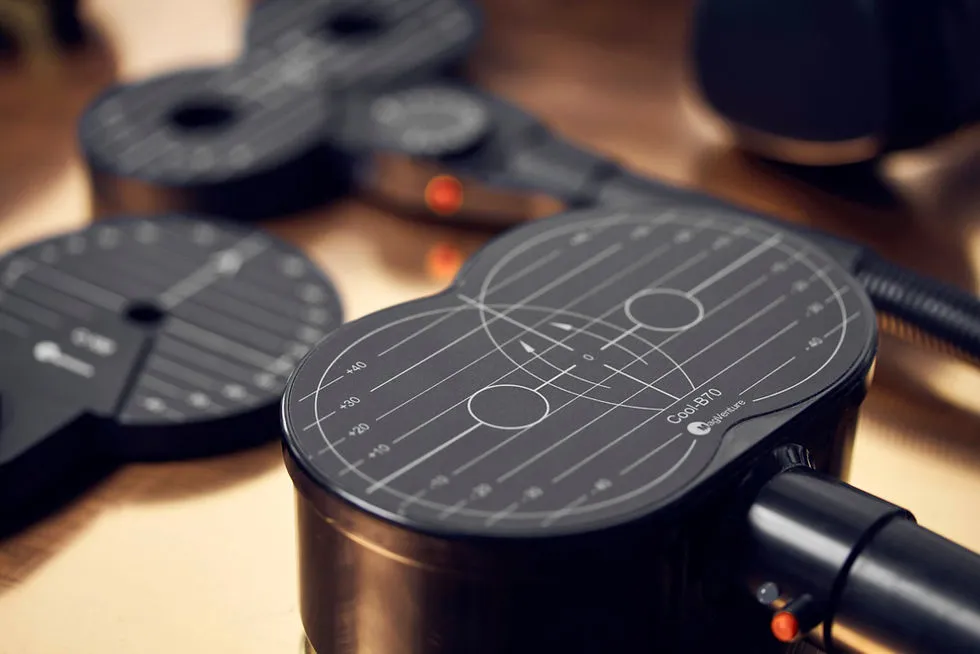
Transcranial magnetic stimulation (TMS) is a non-invasive treatment that uses focused magnetic fields to stimulate nerve cells in specific parts of the brain. There is no anesthesia and no surgery. You sit in a comfortable chair, awake and alert, while a treatment coil rests against your scalp.
For anxiety, TMS targets the prefrontal cortex, the area that helps regulate worry and the body’s stress response. Repeated sessions help this region settle an overactive alarm system. It is one part of our wider TMS therapy program in Costa Mesa.
How TMS Helps Anxiety
TMS sends brief magnetic pulses through a coil placed on the scalp. The pulses create small electrical currents in the targeted region, which helps rebalance the circuits that stay on high alert in chronic anxiety.
Before your first session, we measure your motor threshold, the lowest energy that produces a response in your own brain. Every head is a little different, so this step sets a dose that fits you.
Results build over time. One session does not reset a stress circuit, but repeated stimulation over several weeks supports lasting change, which is why treatment follows a daily schedule.
FDA Clearance and Anxiety
The TMS Treatment Process
Consultation and Evaluation
Treatment Planning
Mapping and Protocol Setup
The Treatment Course
Progress Monitoring

What to Expect
There is no sedation and no recovery time. You can read, listen to music or rest during treatment, then drive yourself home or back to work. Change tends to be gradual. Some people notice calmer sleep or less physical tension in the first weeks, with steadier days more often arriving in the second half of the course.
Session
Duration
- Active stimulation: typically 18 to 20 minutes, depending on your prescribed protocol
- Total visit time: roughly 30 to 50 minutes with check-in and coil positioning
- First appointment: 60 to 90 minutes, including motor threshold mapping and target localization
- Standard schedule: daily sessions, five days a week, for about 6 weeks
- Accelerated option: the SAINT® protocol delivers several shorter sessions a day over five days

Potential Side Effects
- Scalp discomfort or tenderness at the treatment site
- Headache, usually responsive to over-the-counter pain relief
- Tingling, twitching, or spasm of facial muscles during stimulation
- Lightheadedness immediately after a session
- Seizure, a rare risk that careful medical screening helps keep low
- Temporary hearing changes if ear protection is not used, which is why we provide earplugs at every session
Treatment Effectiveness & Results
Research on TMS for anxiety is growing. Studies in adults with anxious depression show anxiety symptoms often improve along with mood, and early trials in generalized anxiety disorder have reported promising results. Completing the full course gives you the best chance of benefit.
We keep expectations honest. TMS is not a cure, and response varies from person to person. For many patients success means worry that no longer runs the day and enough calm to put therapy skills to work.

Is TMS Right for You?
- Have an anxiety diagnosis from a qualified clinician, often alongside depression
- Have tried at least one medication without enough relief
- Have done or started therapy such as CBT
- Have had medication side effects that were hard to tolerate
- Can attend daily sessions for several weeks
Anxiety often travels with depression. If low mood is part of your picture, read about TMS for depression as well.
- Non-removable metal or implanted electronic devices in or near the head, such as certain aneurysm clips, cochlear implants, stents or neurostimulators, usually rule out TMS
- Dental fillings, braces and most orthopedic hardware elsewhere in the body are not a concern
- A personal history of seizures or epilepsy, significant head trauma, or any condition that lowers seizure threshold needs careful review
- Certain medications may need adjustment before treatment begins
- We also screen for co-occurring conditions, such as bipolar disorder, substance use or psychosis, that may change the plan
Benefits of TMS for Anxiety
Less constant worry
Calmer body and better sleep
Better focus and daily functioning
No systemic drug side effects
No sedation or downtime
Preserved memory and thinking
When Anxiety Has Not Responded
If medication and therapy have not brought enough relief, TMS offers a different route. Instead of changing brain chemistry through the whole body, it works on the regulating circuits directly. Some patients also benefit from careful medication management alongside TMS.
BrainHealth Solutions also offers psychiatric second opinions, and we encourage anyone with a long treatment history to consider one. Sometimes anxiety that resists treatment involves an undiagnosed condition, such as ADHD or a thyroid issue, that changes the plan.

Cost of TMS Therapy in
Costa Mesa, CA
Insurance plans often cover TMS when major depression is part of the diagnosis. Coverage for anxiety alone is less common, so our team checks your benefits with you before you start. Our insurance page lists the plans we work with.
Why Patients Trust BrainHealth Solutions
Led by a Board-Certified Psychiatrist
A Full Spectrum of Advanced Options
Modern Technology, Human Environment
Personalized, Compassionate Care Focused on Lasting Results
Frequently Asked Questions
Does TMS hurt?
No. Most patients describe a tapping or flicking sensation on the scalp and hear a clicking sound during stimulation. Any discomfort is typically mild and fades within the first week of treatment.
Will I need to stop my anxiety medication?
Usually not. Most patients continue their current medication during a TMS course. Dr. Bota reviews your prescriptions at the consultation and tells you if any change makes sense.
How soon will I feel calmer?
Some patients notice better sleep or less tension within the first two weeks. Steadier mood and less worry more often appear in the second half of the course.
Can I drive after a session?
Yes. TMS involves no sedation or anesthesia. You are alert throughout and can drive yourself home or to work immediately afterward and resume normal activities.
Is TMS the same as electroconvulsive therapy?
No. TMS requires no anesthesia, does not induce a seizure as part of treatment, and is not associated with the memory effects linked to ECT.
Does insurance cover TMS for anxiety?
Coverage is most common when depression is also diagnosed, and anxiety alone is often not covered. Our team will help you check eligibility, and CareCredit financing is available.
What if TMS does not work for me?
We offer additional evidence-based options including SPRAVATO® (esketamine), the SAINT protocol, and medication management. Our team will work with you on the next appropriate step.
Anxiety does not have to set the pace of your day. If medication and therapy have not brought the relief you hoped for, TMS may help, and finding out starts with one short conversation.
