TMS for Chronic PainIN COSTA MESA, CA

Experience breakthrough relief from chronic pain at BrainHealth Solutions in Costa Mesa, CA, through our advanced TMS therapy program. If you've been living with persistent pain that hasn't responded to traditional therapies, TMS offers hope for regaining control and improving your quality of life.
What Is TMS Therapy for
Chronic Pain?

Transcranial magnetic stimulation (TMS) is a non-invasive neuromodulation technique that uses targeted magnetic fields to stimulate specific brain regions involved in pain perception and processing. This advanced therapy addresses the neurological components of persistent pain syndromes without systemic side effects.

How TMS Works for Pain

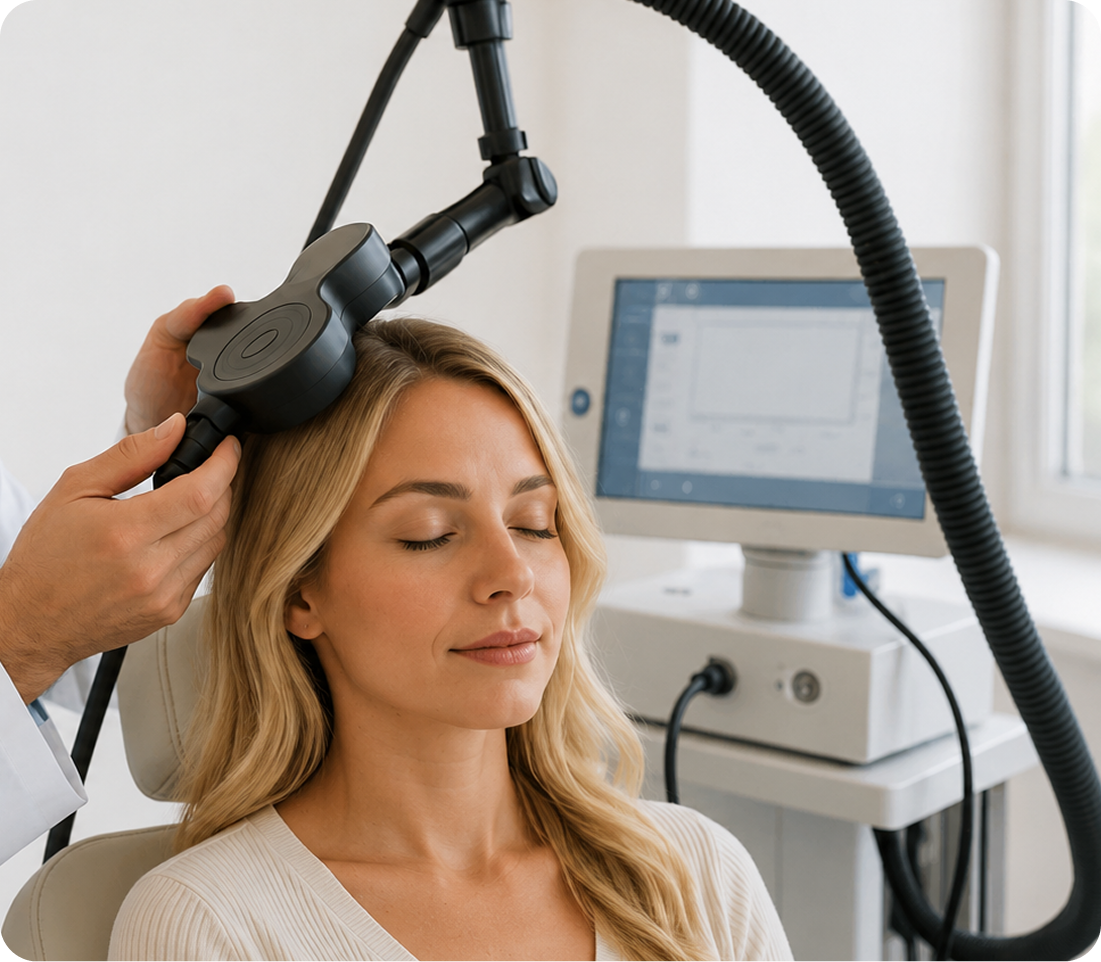
TMS delivers brief magnetic pulses to the brain through a coil placed on the scalp. These pulses generate electrical currents that can excite or inhibit nerve cells in targeted brain regions, effectively "resetting" pain-processing circuits that have become hyperactive or dysregulated.

For chronic pain, TMS often focuses on areas like the motor cortex and prefrontal cortex, which play crucial roles in pain modulation. By repeatedly stimulating these regions, TMS can create lasting changes in brain activity patterns, disrupting maladaptive pain pathways and reducing pain intensity.

Pain Conditions
Treated by TMS

Our TMS pain management program addresses a wide spectrum of chronic pain conditions that have proven resistant to traditional therapies. From localized pain syndromes to widespread conditions affecting multiple body systems, TMS offers new possibilities for patients who have exhausted other treatment options.

The TMS Treatment Process

Your journey begins with a comprehensive consultation with our expert psychiatrists. We discuss your medical history, pain symptoms, and previous treatments to develop a personalized treatment plan.

During sessions, you’ll be comfortably seated in a reclining chair with the treatment coil positioned on your scalp. You’ll hear clicking sounds and feel tapping sensations as magnetic pulses are delivered. Most patients find sessions tolerable and can relax, read, or listen to music.

Recovery and Aftercare

One of TMS’s key advantages is minimal recovery time. You can resume normal activities immediately after each session without restrictions.
Post-Treatment Guidelines

Expected Results and Efficacy

Emerging research shows that 40-70% of patients with chronic pain experience significant improvement with TMS therapy. Many patients notice pain reduction within 2-3 weeks, with benefits continuing throughout treatment.

Many patients maintain pain relief for months to years following treatment. Periodic maintenance sessions can help sustain benefits, and our team emphasizes combining TMS with healthy lifestyle practices for optimal outcomes.

Who Is a Candidate for
TMS for Chronic Pain?

Ideal candidates include adults with chronic pain lasting at least three months who haven’t found adequate relief from conventional treatments. We particularly welcome patients seeking alternatives to long-term medication use or those unable to tolerate medication side effects.
TMS Eligibility Criteria
Contraindications

Benefits of TMS for
Chronic Pain

Choosing TMS for chronic pain management offers several distinct advantages beyond simple symptom relief. Patients experience improvements in overall quality of life, including better sleep, enhanced mood, and increased ability to participate in daily activities.
TMS is performed in our comfortable Costa Mesa office without surgery, incisions, or anesthesia. Patients remain awake during sessions with no downtime, allowing immediate return to daily activities. Most experience only mild scalp discomfort during initial sessions, which typically resolves as treatment progresses.
TMS offers a powerful alternative to long-term pain medications, particularly important given concerns about opioid dependence. Unlike oral medications that affect the entire body, TMS precisely targets specific brain regions, avoiding systemic drug interactions while remaining compatible with existing treatments.
Unlike temporary solutions that only mask symptoms, TMS addresses the underlying neural patterns associated with chronic pain. Many patients experience sustained relief even after completing their treatment course, with benefits that can last for months or longer. This durability reduces the need for ongoing interventions and helps patients maintain a more consistent, active lifestyle over time.

Cost of TMS for
Chronic Pain in Costa Mesa, CA

TMS therapy for chronic pain in Costa Mesa typically ranges from $300 to $500 per session,with full treatment courses costing $8,000-$15,000 depending on the number of sessions required and individual treatment plans.
Contact BrainHealth Solutions for a personalized quote tailored to your unique needs.

Insurance Coverage Options

We accept a wide range of insurance plans:
We also offer financing options through CareCredit to help manage treatment costs.

Take Control of Chronic Pain with Expert TMS Care

At BrainHealth Solutions, you benefit from the leadership of Dr. Robert Bota, a distinguished fellow of the American Psychiatric Association. Dr. Bota studied TMS at Harvard University and the University of South Carolina and led the first TMS program at UC Irvine. His extensive background includes over 60 published articles and more than 100 presentations.

We utilize the advanced MagVenture System – the same research-grade technology trusted worldwide and used in Stanford’s groundbreaking research. Our integrated approach combines TMS with comprehensive psychiatric care, addressing both physical and emotional aspects of chronic pain. Unlike many clinics, we accept major insurance plans, making cutting-edge pain relief accessible.


Frequently Asked Questions (FAQ)

Yes, TMS is generally considered safe and well-tolerated. Serious adverse events are rare.
Many patients begin noticing improvements within 2-3 weeks of starting TMS therapy. However, the full benefits often become apparent after completing the entire course of treatment, and individual responses can vary.
TMS can significantly reduce the need for pain medication for many patients. While some individuals may be able to reduce or discontinue certain medications under medical supervision, TMS is often used as an adjunctive therapy to enhance existing pain management strategies.