

Many veterans with PTSD continue to struggle despite trying therapy, medication, or both. Research suggests that SAINT may help reduce symptoms by targeting the brain networks involved in trauma, mood, and emotional regulation. While individual results vary, studies have shown promising outcomes – particularly for veterans experiencing both PTSD and depression. For those who have not found adequate relief with traditional treatments, SAINT may provide another path forward.
At BrainHealth Solutions in Costa Mesa, CA, our expert team offers these advanced therapies as part of a modern approach to mental health. In this article, we’ll walk through what PTSD looks like in veterans, how TMS and SAINT work, what the research says, and what to expect if you decide to explore this treatment.
Post-traumatic stress disorder is a mental health condition that can develop after a person experiences or witnesses a terrifying, life-threatening, or deeply distressing event. It’s far more than a bad memory – PTSD changes how the brain processes fear, safety, and stress, sending the “fight or flight” response into overdrive long after the danger has passed.
Transcranial magnetic stimulation, or TMS, is a non-invasive medical procedure that uses targeted magnetic pulses to stimulate specific brain regions involved in mood and emotional regulation. It is not shock therapy (ECT) and requires no anesthesia or sedation. If you’ve had an MRI, you’ve experienced the same kind of magnetic energy – applied here in a targeted, therapeutic way.
SAINT – Stanford Accelerated Intelligent Neuromodulation Therapy – improves on standard TMS in three fundamental ways:
Accelerated (Speed). A standard course of TMS involves daily sessions (five days a week) for six to nine weeks. SAINT condenses treatment into just five consecutive days. Each day, the patient receives 10 short (10-minute) treatment sessions, with a 50-minute rest period between each – a game-changer for individuals in acute distress.
Intelligent (Precision). Standard TMS targets a general area based on skull measurements. SAINT uses data from functional MRI (fMRI) of the patient’s own brain to create a personalized “brain map,” pinpointing the precise spot for treatment.
Intensive. SAINT delivers a much higher, carefully calculated dose of magnetic pulses in a compressed timeframe, believed to induce neuroplastic changes more rapidly and robustly – with many patients experiencing relief in days rather than weeks.
The prefrontal cortex – the primary target of TMS – acts as the “control center” for the amygdala, the brain’s fear center. In PTSD, the amygdala is overactive, and the prefrontal cortex is underactive, meaning the brain’s “brakes” for fear and anxiety aren’t working properly. By stimulating and strengthening the prefrontal cortex, the precise SAINT protocol can help restore top-down control over the amygdala.
Veterans who respond well to SAINT often report:
Improved mood and a renewed sense of hope
Reduced hypervigilance as the fear circuit becomes less reactive
Fewer intrusive thoughts and better sleep with fewer nightmares
Reduced irritability and emotional reactivity
Greater ability to engage with family, work, and daily activities
A stronger foundation for benefiting from talk therapy
It’s important to set realistic expectations. SAINT is not a magic cure, and results vary. For some, it produces dramatic improvement; for others, it’s one valuable piece of a broader plan that may include talk therapy and medication management. Its personalized nature is particularly promising for a condition as complex and variable as PTSD.
The evidence for SAINT comes from landmark trials at Stanford University. In a double-blind, randomized controlled trial for treatment-resistant depression, 78.6% of participants who received active SAINT treatment went into remission – a level of efficacy rarely seen for any mental health intervention, with many improving within just days of finishing the protocol. These results led directly to FDA clearance.
Standard TMS has a strong track record as well. Multiple studies and meta-analyses conclude that TMS effectively reduces PTSD symptom severity, and the Department of Veterans Affairs has been actively studying and using TMS for veterans for years. Researchers continue to study accelerated protocols for PTSD specifically, given the shared brain circuitry between PTSD, depression, and anxiety. Since SAINT is a more advanced, targeted, and intensive application of the same core technology, there’s good scientific reason for optimism – particularly for veterans whose PTSD is accompanied by depression.
Every veteran’s journey is unique, but the goal of SAINT is a rapid, transformative return to wellness. Patients who respond often describe a lifting of a “heavy weight” they’ve carried for years – sleeping through the night without nightmares, feeling less irritable and more present with their families, and regaining motivation for hobbies they’d abandoned. The speed is often the most striking aspect: within a week, someone who has suffered for a decade can begin to feel like themselves again.
Read about the experiences of people who have received care at our practice on our Testimonials page.
Traditional PTSD treatments – medications and various forms of talk therapy – help many people, but not everyone. Medications can take weeks to work, cause unwanted side effects, and sometimes lose effectiveness. Talk therapy is valuable but emotionally demanding, and progress can feel slow.
SAINT offers several distinct advantages:
Rapid action. Instead of waiting weeks or months, many patients notice improvement within the five-day protocol – life-changing for a veteran in crisis.
Non-systemic / no medication side effects. As a targeted brain-stimulation therapy rather than a drug, SAINT avoids weight gain, sexual side effects, fatigue, and emotional numbing.
No downtime. No recovery period – patients return to normal activities after each session.
Complements therapy. By first reducing overwhelming emotional distress, SAINT makes it easier to engage in and benefit from trauma-focused therapies like Cognitive Processing Therapy (CPT) or Prolonged Exposure (PE), alongside medication.
A fresh option after other treatments failed. For veterans who feel they’ve “tried everything,” SAINT provides a genuinely different mechanism of action – and, most importantly, hope.
At BrainHealth Solutions, we make the process as clear, comfortable, and supportive as possible. Our team is available to answer questions, and you’re always welcome to text our office directly.
Initial screening and consultation. Your care begins with a complimentary 15-minute screening call with our patient care coordinator to determine whether you might be a good candidate, followed by a thorough psychiatric evaluation in which our team reviews your symptoms, history, and previous treatments to confirm that SAINT is a good fit for you.
fMRI brain mapping. If SAINT is appropriate, a functional MRI scan (about an hour) maps your brain and identifies the precise treatment target. The cost of the MRI is covered by our office.
Starting treatment. Treatment can begin as soon as two days after the MRI – one reason the SAINT process feels so efficient.
The 5-day protocol. You’ll come to our Costa Mesa clinic for five consecutive days. Each day includes ten 10-minute sessions with a 50-minute rest period between each. You sit comfortably while the device delivers pulses, staying fully awake – you can read, listen to music, watch a screen, or simply rest.
Follow-up. After completing the protocol, we monitor your progress and adjust your ongoing care plan, which may include therapy or medication management.
The compressed timeline is a major draw for veterans who can’t easily commit to daily appointments over many weeks.
SAINT TMS is very safe and well-tolerated. The most common side effects are mild and temporary:
Headache
Discomfort, tingling, or a tapping sensation at the stimulation site on the scalp
Minor facial muscle twitching during pulse delivery
Slight tiredness on treatment days
These effects typically diminish over the first few days and can be managed with over-the-counter pain relievers if needed. The entire procedure is conducted in a medically supervised clinical environment.
SAINT TMS may be a strong option for veterans who:
Have a confirmed diagnosis of PTSD and/or major depressive disorder
Have found traditional treatments – such as at least two different antidepressant medications – inadequate (treatment-resistant)
Prefer a faster timeline than standard TMS offers and have found talk therapy alone insufficient
Can commit to the intensive 5-day schedule at our Costa Mesa location
Are motivated to actively participate in their recovery
Have no contraindications to TMS, such as metal implants in or near the head (cochlear implants, aneurysm clips, deep brain stimulators) or a history of epilepsy
Taking the first step is often the hardest part, but it doesn’t have to be complicated. Start with a complimentary 15-minute screening call to learn about the clinic and treatment options. You’re welcome to text our office with any questions. From there, we can arrange a full evaluation with our medical team.
Our practice serves veterans and community members throughout the region, with a location in Costa Mesa and additional areas, including Irvine and Newport Beach. During your consultation, we will listen to your story, review your history, and help determine whether SAINT, standard TMS, SPRAVATO® (esketamine), medication management, or a combination is the match for your needs.
Schedule Your Free Screening Call
PTSD can have a profound impact on every aspect of a veteran’s life, but effective treatment options continue to evolve. SAINT TMS offers a promising, non-invasive approach that may provide faster relief for veterans who have not found success with traditional therapies alone. By targeting the brain circuits involved in trauma, mood, and emotional regulation, SAINT has the potential to help veterans regain stability, improve daily functioning, and move forward with greater confidence.
If you’re exploring new options for PTSD treatment, a professional evaluation can help determine whether SAINT TMS is the right next step on your path to recovery.
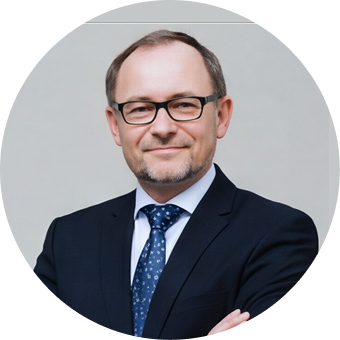
About the Author
Dr. Robert G. Bota
Board-certified psychiatrist and Distinguished Fellow of the American Psychiatric Association, Dr. Bota is a pioneer in TMS and SAINT therapies.
July 9, 2026